

































































Why is hand hygiene important?
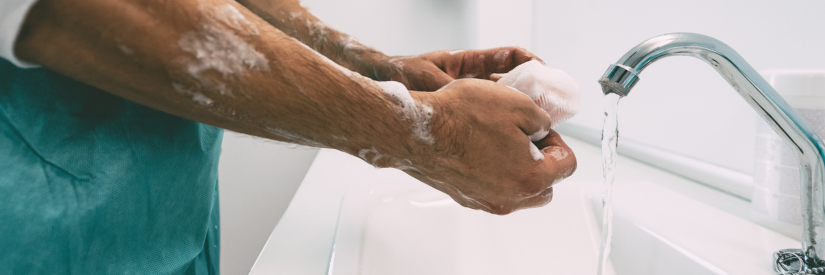
Hand hygiene is one of the simplest and most effective ways to help reduce the spread of germs in healthcare, aged care, dental, workplace and community environments. Clean hands help minimise the transfer of microorganisms between people, surfaces, equipment and shared spaces.
In healthcare settings, hand hygiene is a key part of infection prevention and control. The Australian Commission on Safety and Quality in Health Care states that effective hand hygiene helps reduce microorganisms on hands and supports the prevention of healthcare-associated infections.
For aged care providers, strong hygiene practices are especially important because older people may be more vulnerable to infectious diseases, including COVID-19, influenza and gastroenteritis. Infection prevention and control help protect the safety and wellbeing of residents, staff, visitors and families.
When should hand hygiene be performed?
Hand hygiene should be performed regularly throughout the day, particularly during moments where there is a higher risk of germ transfer.
Key times to clean hands
Hands should be cleaned:
-
Before and after contact with a patient, resident or client
-
Before preparing, handling or serving food
-
Before and after using disposable gloves
-
After using the bathroom
-
After coughing, sneezing or blowing the nose
-
After handling waste, laundry or used care items
-
After touching shared equipment or frequently touched surfaces
-
Whenever hands are visibly dirty

Facilities can support better hand hygiene by making products easy to access. The Livingstone Antibacterial Liquid Hand Wash Soap with Aloe Vera is a practical option for bathrooms, staff areas, treatment rooms and shared wash stations. It is formulated to remove germs, includes a light moisturiser to help keep hands hydrated, and is suitable for repeated use.
Hand sanitiser or hand wash: which should you use?
Both hand wash and hand sanitiser have an important role in everyday hygiene routines.
When should you use hand wash?
Hand wash and running water are recommended when hands are visibly dirty or contaminated. Washing helps physically remove dirt, organic matter and germs from the skin.
When should you use hand sanitiser?
Alcohol-based hand sanitiser is useful when hands are not visibly dirty and quick hand hygiene is needed. It can be placed at entrances, reception areas, workstations, treatment rooms and near shared equipment to encourage regular use.
The Livingstone Antibacterial Hand and All-Purpose Sanitising Gel, 75% Ethanol offers a convenient option for high-use areas where staff, visitors or customers need fast access to sanitising gel. Its pump format also makes it suitable for counters, hygiene stations and shared workspaces.
Do disposable gloves replace hand hygiene?
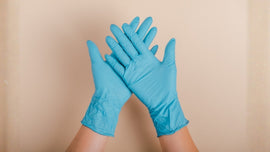
No. Disposable gloves do not replace hand hygiene. Gloves provide a protective barrier, but hands should still be cleaned before putting gloves on and after removing them.
Gloves may become contaminated during use, and incorrect glove removal can transfer germs to the hands. This is why glove use should always be combined with correct hand hygiene practices.
The Lincon Nitrile Examination Gloves are suitable for environments where hand protection and hygiene practices are part of routine infection control, including healthcare, aged care, cleaning, food handling and general workplace settings. They are made from 100% nitrile, contain no natural rubber protein, and are powder free to help reduce residue on hands and equipment.
How can facilities strengthen infection prevention routines?
Hand hygiene works best when supported by clean surfaces, stocked hygiene stations and consistent staff habits. In busy environments, frequently touched surfaces such as benches, trolleys, door handles, chairs and reception counters can contribute to germ transfer if they are not cleaned regularly.
The Liv-Wipe Hospital Grade Sanitiser Disinfectant Wipes can support surface hygiene routines for hard, non-porous and pre-cleaned surfaces. These TGA-listed wipes contain a broad-spectrum disinfectant and are designed for surface use, not skin or medical devices.
Practical ways to support better hygiene
Healthcare, aged care and workplace teams can improve hygiene routines by:
-
Keeping hand wash stocked at sinks
-
Placing hand sanitiser in visible, high-traffic areas
-
Providing disposable gloves where task-based protection is needed
-
Using disinfectant wipes on suitable hard surfaces
-
Training staff on when and how to perform hand hygiene
-
Reviewing stock levels to avoid supply gaps

Safer care starts with consistent habits
Hand hygiene is a small action with a significant role in infection prevention. By combining clean hands, correct glove use and regular surface cleaning, facilities can help create safer environments for patients, residents, staff, visitors and the wider community.
With essential supplies such as Livingstone hand wash, sanitising gel, nitrile examination gloves and hospital grade disinfectant wipes, healthcare and aged care teams can make everyday hygiene practices easier to follow.
References
-
Australian Commission on Safety and Quality in Health Care 2026, National Hand Hygiene Initiative, viewed May 2026, https://www.safetyandquality.gov.au/clinical-topics/infection-prevention-and-control/national-hand-hygiene-initiative
-
Australian Government Department of Health, Disability and Ageing 2025, Infection prevention and control in aged care, viewed May 2026. https://www.health.gov.au/topics/aged-care/managing-respiratory-infection/infection-prevention-and-control-in-aged-care


